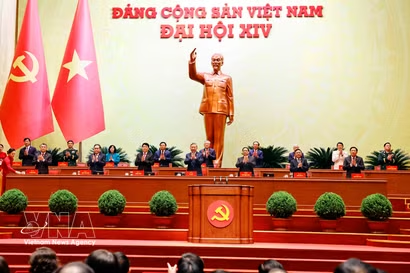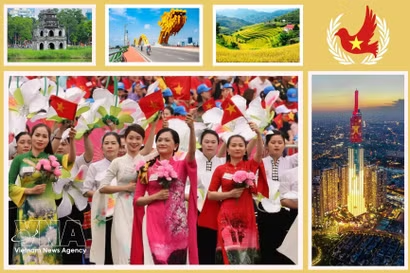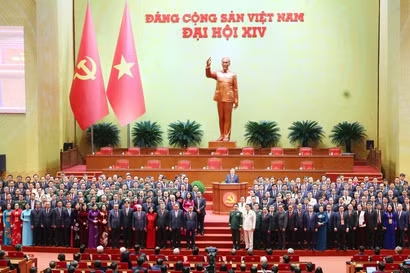
Hanoi (VNA) – Documents submitted to the 14th National Party Congress reaffirm the need to accelerate sustainable development in ethnic minority areas, narrow regional disparities, reinforce great national unity and build a more robust grassroots political system.
Focus on training ethnic minority officials
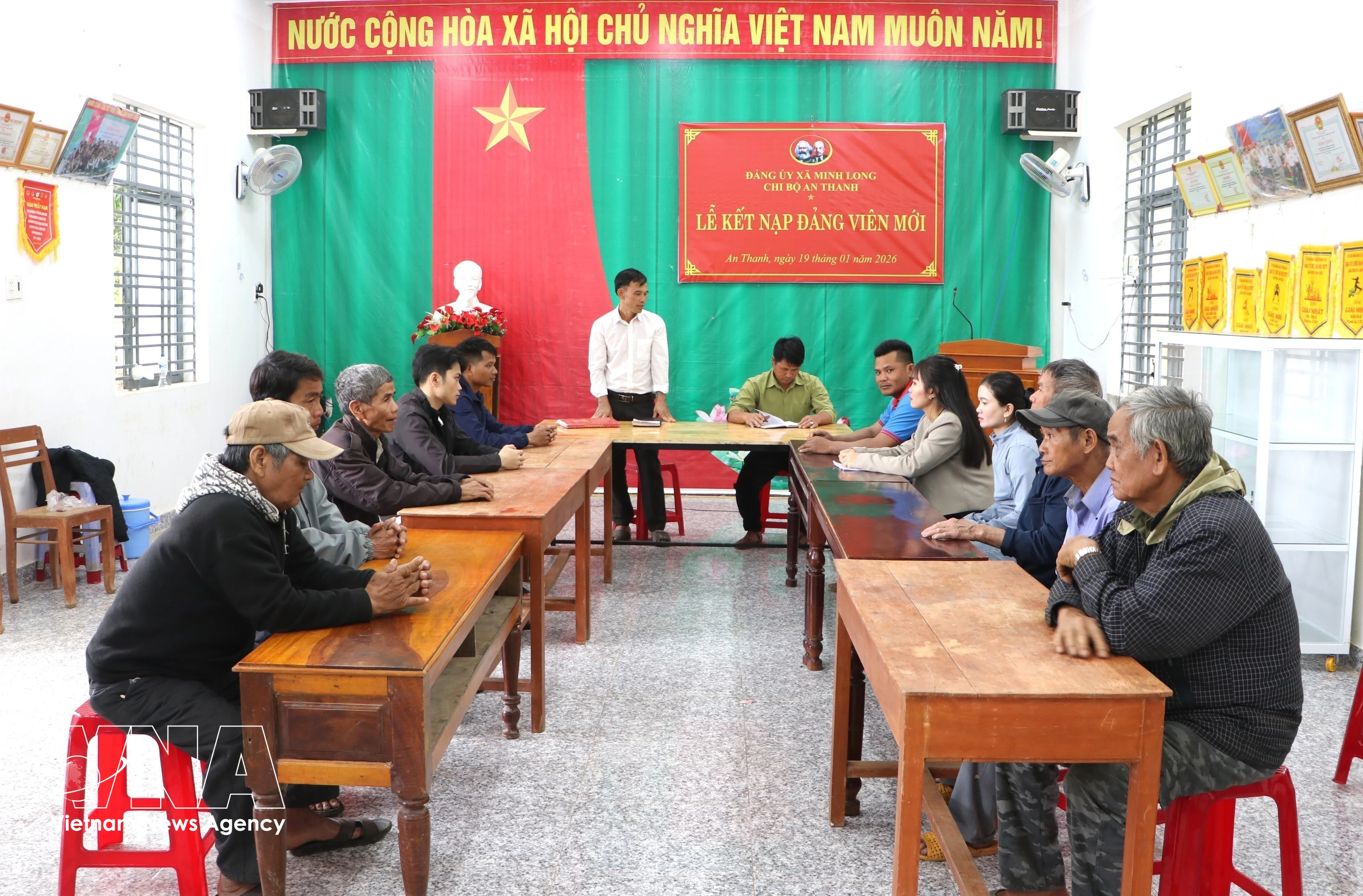
Ethnic minority officials play a central role in realising the Party’s directives and State’s laws and policies at the grassroots level, serving as a key link between local authorities and communities.
Many localities are scrambling to train and build a contingent of ethnic minority officials. The central province of Lam Dong, which is home to 124 communes and wards and nearly 700,000 ethnic minority residents, or 17.6% of its population, is making it a priority to build up this workforce. Party members from ethnic minority groups already make up about 12.05%, with many holding leadership positions across the political system.
Its official said the province is ramping up recruitment, planning, training and deployment of ethnic minority officials and civil servants, ensuring they are competent, full of new ideas and closely connected to local communities. It also wants to keep the special training perks in place and improve incentives to encourage long-term service in ethnic minority areas.
With over 80% of residents belonging to ethnic groups, the Lai Chau provincial Party Committee issued Resolution 06 to upgrade the quality of ethnic minority managers and key commune-level officials for the 2021–2025 period, with a vision to 2030. The resolution puts heavy focus on political education, leadership and management skills, and the ability to rally the masses at the grassroots level, particularly for young, female and ethnic minority officials. The moves have sharpened governance and made the bureaucracy run smoother in several spots.
Upholding role of trusted community figures
Tuyen Quang province, where ethnic minorities account for nearly 70% of the population, more than 3,000 respected figures from ethnic groups like Tay, Hmong, Dao, Nung, Pa Then and La Chi have played an important role in spreading government policies, encouraging economic development, supporting rural modernisation, preserving cultural traditions and maintaining social order.
Pilot models in several communes have engaged these community leaders in legal awareness campaigns and public outreach, helping to improve compliance with laws and regulations.
Lai Chau province boasts nearly 1,000 prestigious individuals in ethnic minority areas who have been backing national target programmes, cracking down on early and consanguineous marriages, encouraging changes in outdated customs and safeguarding border security. In Thu Lum commune, where ethnic minorities top 99% of the population, local authorities regularly coordinate with police and border guards to prevent illegal crossings and crimes, contributing to better public awareness and law compliance.
A local leader said upcoming efforts will zero in on training and refreshing this crew, identifying younger leaders with entrepreneurial and innovative mindsets to drive local economic development, adding that a stronger grassroots political system and broader national unity will raise living standards and reinforce public confidence in the Party and State./.