Hanoi (VNA) – Tran Thang, President of the Institute for Vietnamese Culture and Education (IVCE) in New York, has applauded Vietnam’s early policies for the overseas Vietnamese (OV) community, highlighting initiatives to involve OV intellectuals in the homeland’s development.
In a recent interview with the Vietnam News Agency correspondents in the US ahead of the 14th National Party Congress, he noted that since the early 2000s, the Party and State have taken initiatives to call on OVs, especially those in the US and Western countries, to contribute to the nation.
Thang, who is also a member of the Central Committee of the Vietnam Fatherland Front since 2014, noted that the Party and State issued timely policies that not only opened Vietnam to the world but also encouraged OVs to maintain a strong connection with and trust in their homeland.
According to him, although Vietnam’s policies have yet to fully engage intellectuals in the US and Western countries or their contributions, the country has successfully encouraged OVs to stay connected to their roots, particularly through Lunar New Year celebrations and programmes such as “Homeland Spring.” Since 2000, the number of OVs visiting Vietnam has steadily grown each year.
Overseas Vietnamese have consistently hoped for Vietnam’s economy to thrive, ensuring stable jobs and incomes for the people, he noted, stressing that a strong and steady economy inspires confidence among all Vietnamese, both at home and abroad.
OVs are particularly interested in education and health care, focusing on how workers and vulnerable groups can access these essential services. Investment in education helps cultivate young intellectuals and raise social knowledge, while health care ensures a healthy population - both forming the foundation for a productive society.
The expert also suggested that policies for the OV community should be updated to reflect reality and actual demands, such as returning home, owning property, or starting businesses. He said that special policies allowing overseas Vietnamese intellectuals to take leadership roles in certain professional fields, such as education, should be carefully considered.
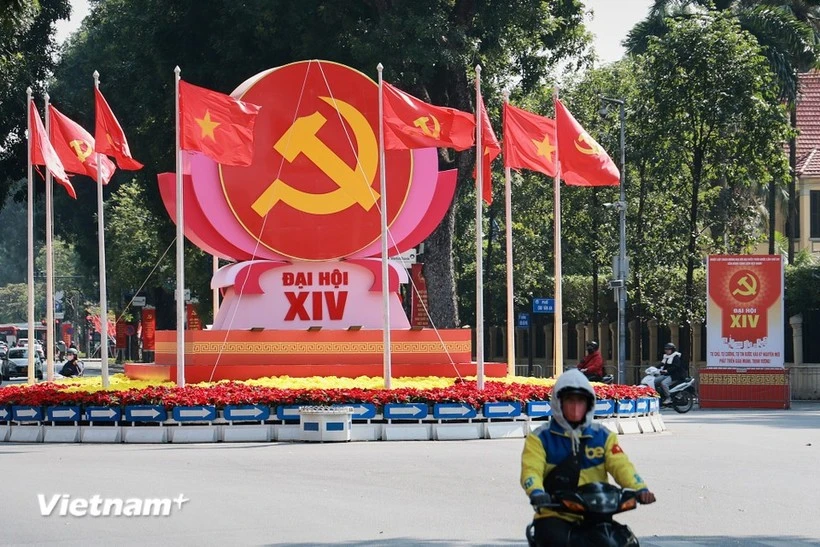
Ahead of Vietnam’s 14th National Party Congress, Thang expressed his hope that the newly elected leadership will possess the qualities needed to guide the country in the new era and outline socio-economic development orientations aligned with the domestic and international situations.
He stated that sustainable socio-economic development in Vietnam hinges on three priorities: building a well-educated population through comprehensive education reforms at all levels, ensuring public health via stronger food safety and environmental management, and addressing pollution through more effective State supervision of environmental protection./.